About Lesley
-
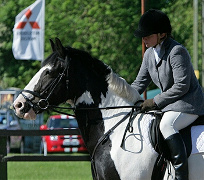 I am a fully qualified and insured veterinary physiotherapist based in Shropshire, with Postgraduate (Level 7) qualification in Veterinary Physiotherapy from Harper Adams University, and a member of the National Association of Veterinary Physiotherapists (NAVP) and Register of Animal Muscular Skeletal Practitioners (RAMP) whose requirement for continuing professional development ensures skills and knowledge are kept up to date with the latest research in this developing field.
I hold an Honours degree in Equine Science from the Royal Agricultural University and a First Class Honours Degree in Animal Management, Behaviour and Welfare from the University of Chester providing a wide and varied knowledge of animal management and care, from pets, competition animals, farm animals and exotics, backed up with over twenty years professional experience working with animals in a variety of fields.
I am also a British Horse Society Accredited Professional Coach with many years’ experience managing, training and competing horses with a particular interest in dressage. I have a keen interest in both equine and canine sports performance and welfare and am a qualified Human Sports Massage therapist.
My leisure time is mostly spent with constant companion and physio assistant, black labrador Meg.
Read more
I am a fully qualified and insured veterinary physiotherapist based in Shropshire, with Postgraduate (Level 7) qualification in Veterinary Physiotherapy from Harper Adams University, and a member of the National Association of Veterinary Physiotherapists (NAVP) and Register of Animal Muscular Skeletal Practitioners (RAMP) whose requirement for continuing professional development ensures skills and knowledge are kept up to date with the latest research in this developing field.
I hold an Honours degree in Equine Science from the Royal Agricultural University and a First Class Honours Degree in Animal Management, Behaviour and Welfare from the University of Chester providing a wide and varied knowledge of animal management and care, from pets, competition animals, farm animals and exotics, backed up with over twenty years professional experience working with animals in a variety of fields.
I am also a British Horse Society Accredited Professional Coach with many years’ experience managing, training and competing horses with a particular interest in dressage. I have a keen interest in both equine and canine sports performance and welfare and am a qualified Human Sports Massage therapist.
My leisure time is mostly spent with constant companion and physio assistant, black labrador Meg.
Read more
Contact me
 Telephone: 07951 604728
Lesley Williamson
BSc Hons PgDip Vet Phys MNAVP RAMP BHSAPC
northwestvetphysio@outlook.com
Find us on Facebook

.png)
We are part of the
Physiotherapy for your horse
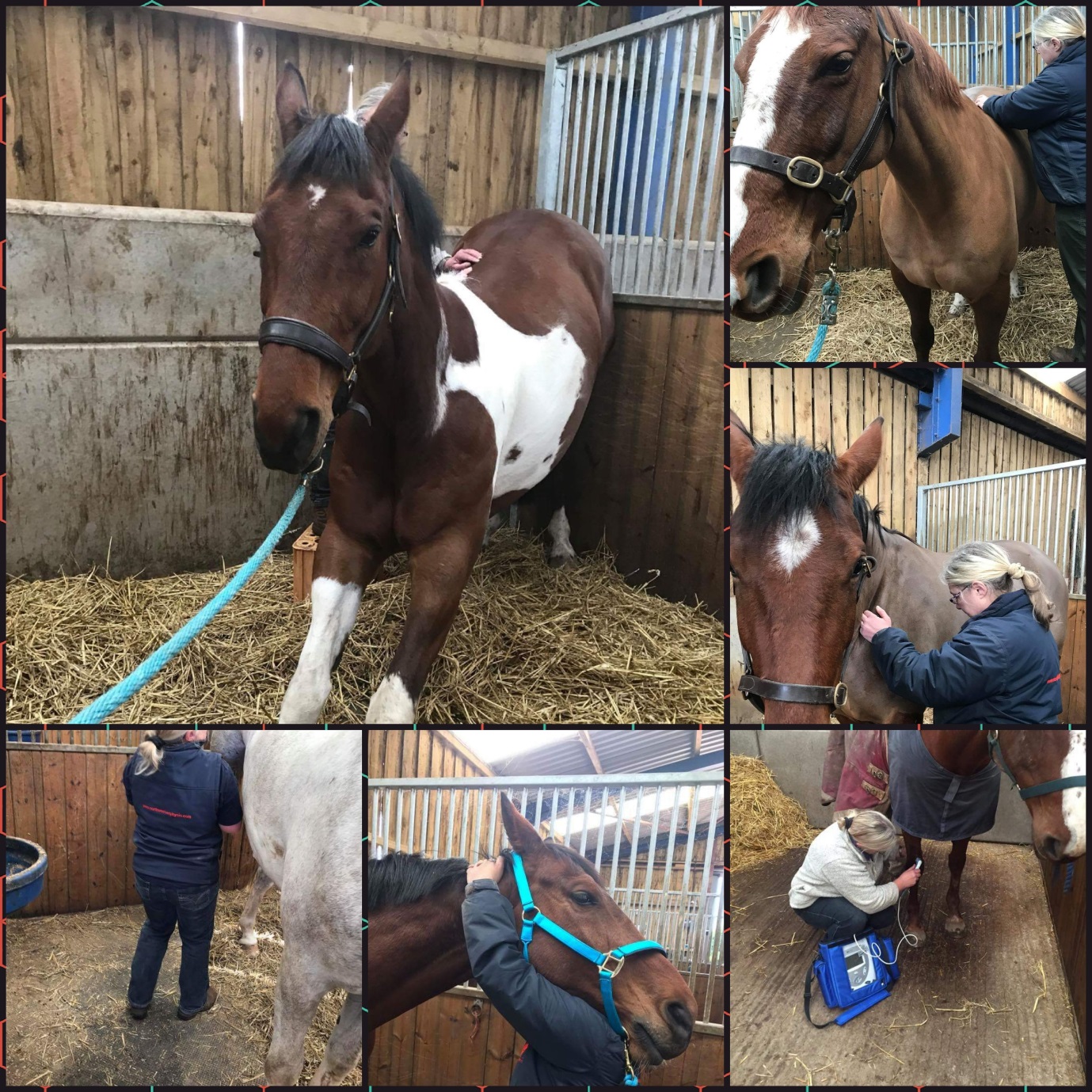
All horses can benefit from physiotherapy from eventers to the family pony.
Conditions Treated
- Muscular tears, strains, weakness and pain
- Joint stiffness, arthritis
- Tendon and ligament injuries
- Nerve damage and neurological issues
- Neck, back and pelvic problems including kissing spines and sacroiliac problems
- Laminitis rehabilitation
- Rehabilitation and strengthening following box rest
- Adaptive back pain from lameness or poorly fitting saddle
- Reduced performance
- Schooling issues including bucking, rearing, napping, refusal to jump or stiffness on one rein
- Rehabilitation following surgery
- General musculoskeletal checks for maintenance
- Pre and post competition treatments
The Lame, Injured or Post-Surgical Horse
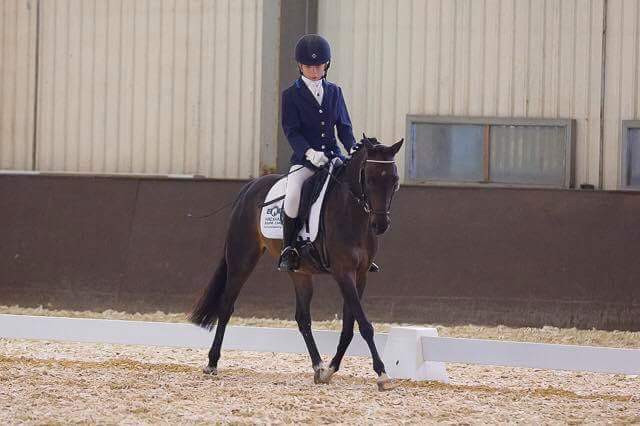
 Following veterinary diagnosis and treatment, a combination of manual and electrotherapies and controlled progressive exercise programme can assist tissue healing and rehabilitation; reduce pain and inflammation, compensatory problems and scar tissue with the aim of returning the horse to maximum health and fitness, restoring function and mobility. Whether utilised in the initial stages of recovery to relieve pain and inflammation or in the later stages of healing or in chronic conditions, physiotherapy can aid better quality repair of tissues, help to re-educate movement and build strength.
The Competition Horse
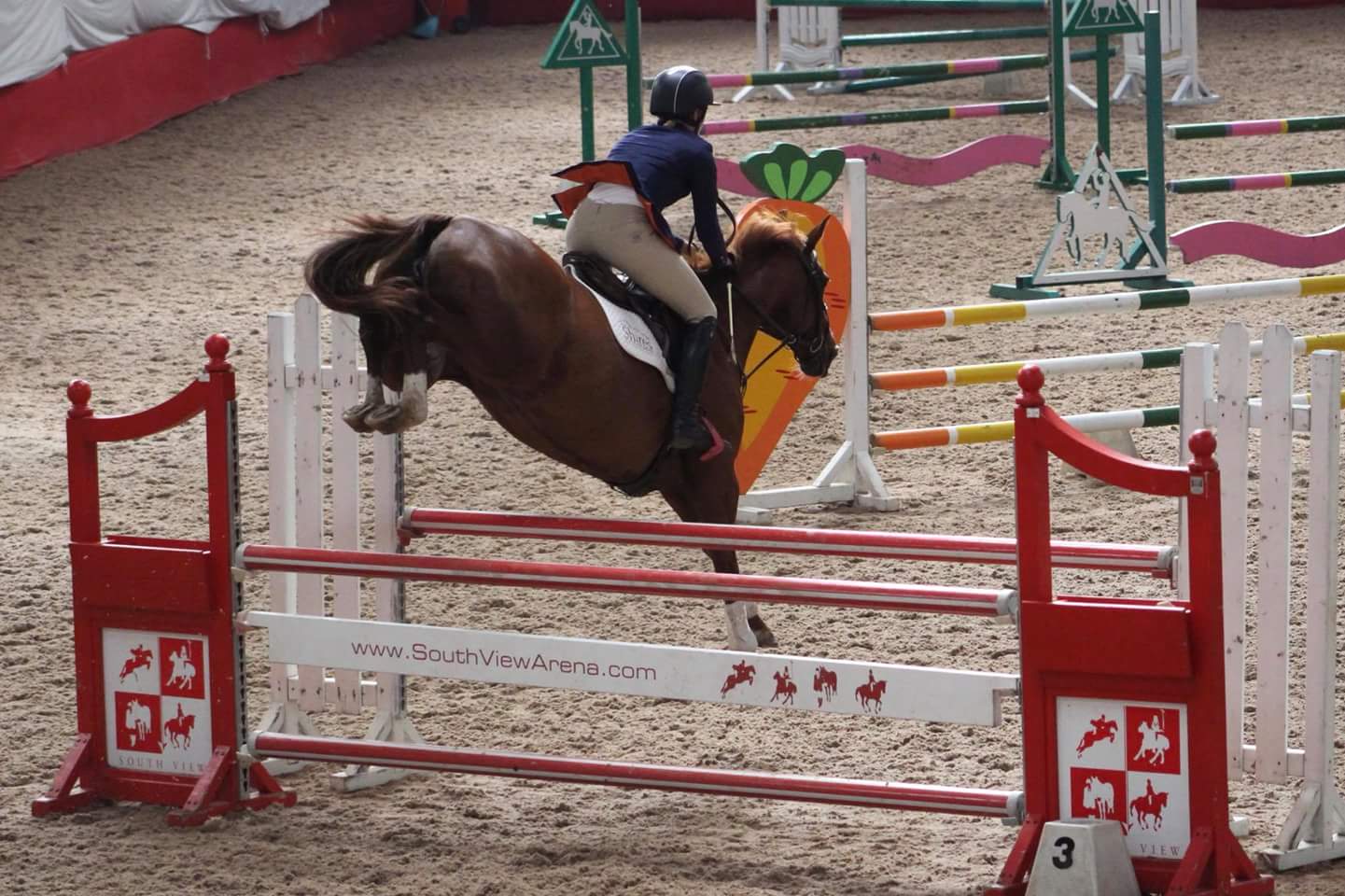
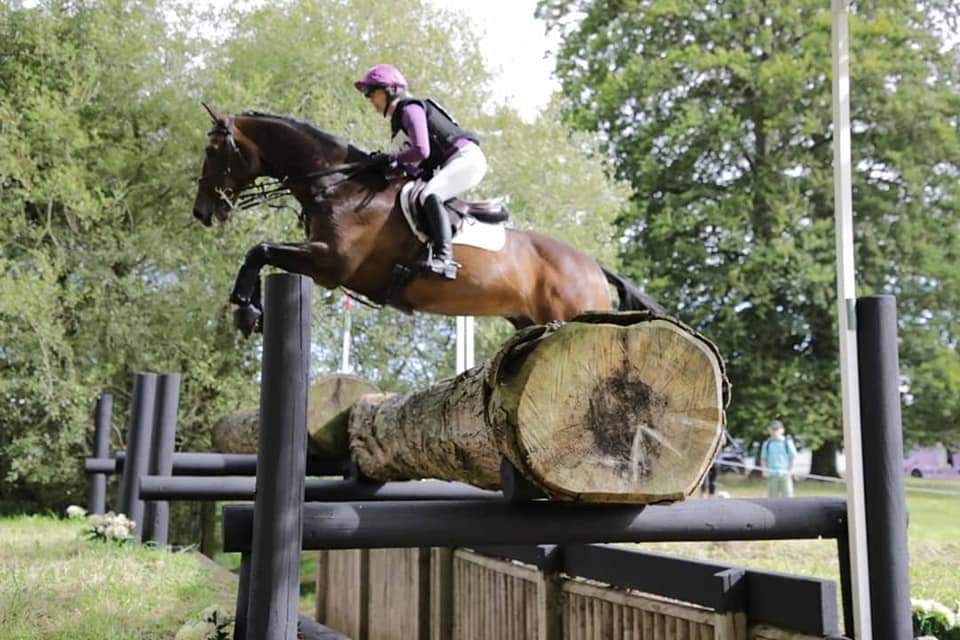 In the equine athlete physiotherapy can improve strength, flexibility and mobility which in turn can improve competitive performance and schooling issues. Pre-season physiotherapy checks and checks as part of a maintenance health care regime during the season can help to identify issues at an early stage, assist tissue recovery post competition and help maintain performance at an optimum level whether eventing, racing, hunting, playing polo, competing in dressage, endurance or showjumping, attending pony club or riding club or simply hacking.
The Older Horse
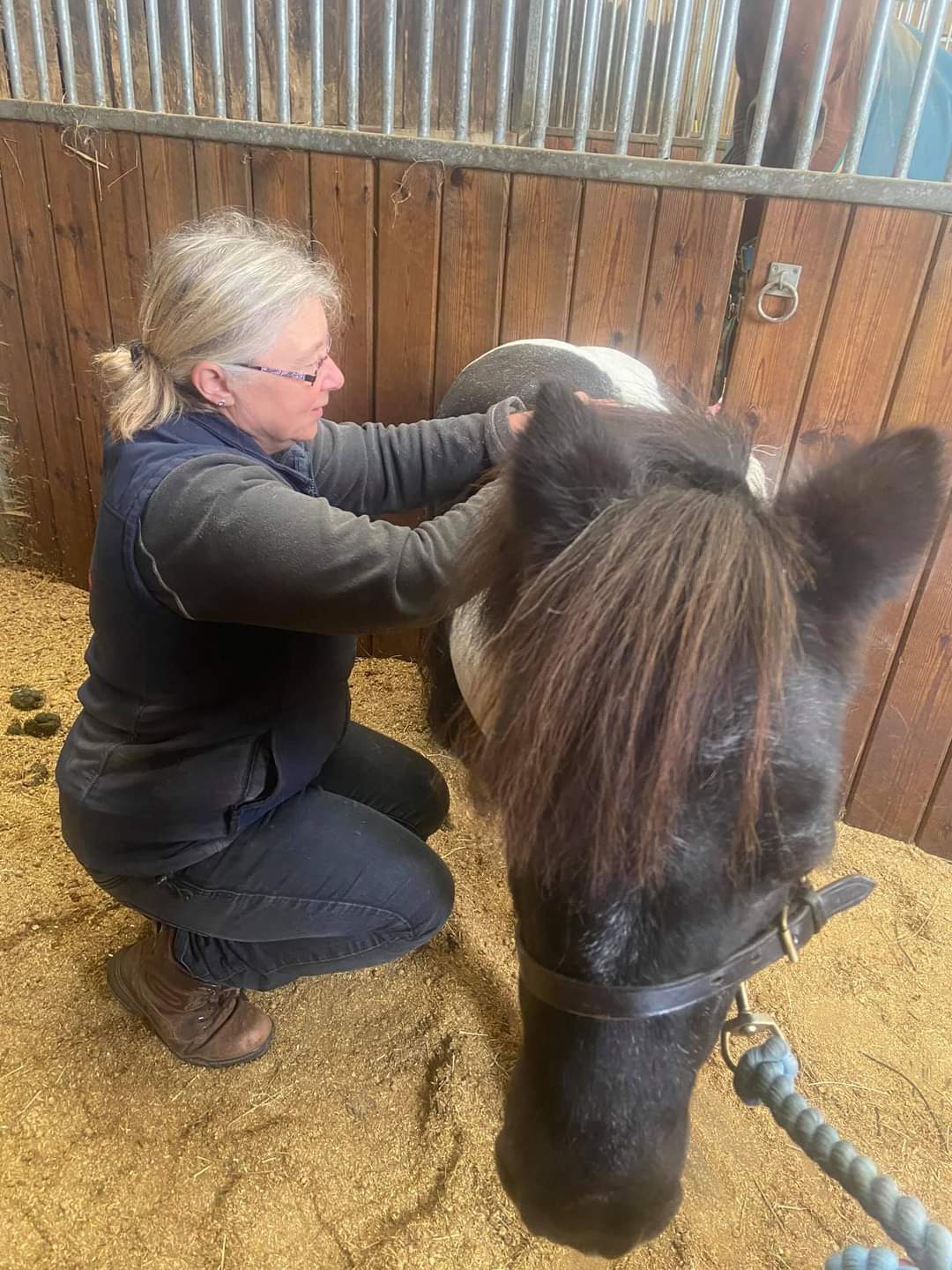 General mobility and suppleness can be assisted by physiotherapy in the older horse helping to improve quality of life by reducing pain and stiffness and helping your old friend to continue his ridden career into his senior years or simply provide a happy, comfortable retirement.
Equine massage
 Massage as a stand-alone treatment can aid performance in ridden horses and play an integral role in routine health care and maintenance. Pre and post competition treatments can help to improve performance and prevent injury by aiding tissue repair. Massage can help to ease stiffness and provide pain relief in older arthritic horses.